
Share
%201.webp)


By:
Hans Allí

10 Signs Your Business Website Needs a Redesign
Is Your Website Holding Your Business Back?
Your website is often the first interaction potential customers have with your brand. If it’s outdated, slow, or difficult to navigate, you could be losing business without even knowing it. Many companies don’t realize their website needs a refresh until the signs become impossible to ignore.
The tricky part is that website decline is usually gradual. What looked modern three years ago now feels dated. Features that were cutting-edge in 2022 are now baseline expectations. And competitors who have invested in their web presence are quietly capturing the customers you’re missing.
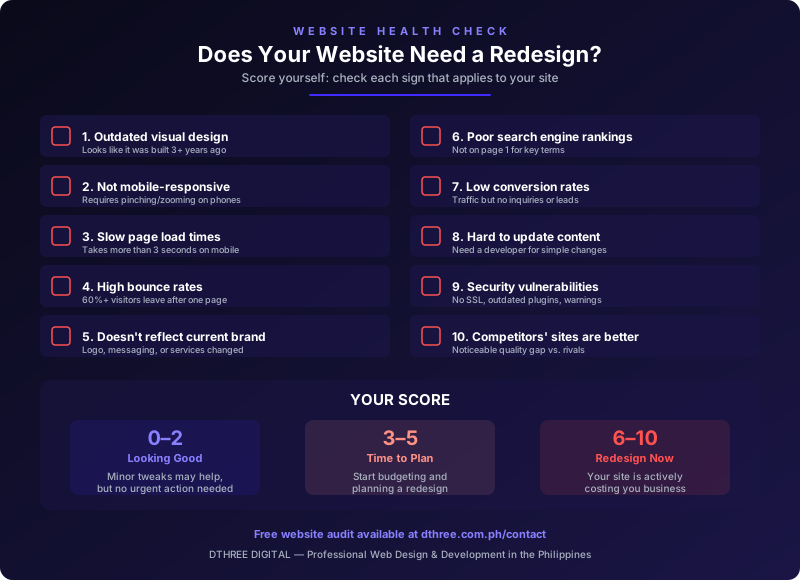
Here are the 10 most common signs that your business website is due for a redesign, along with what you can do about each one.
1. Your Website Looks Outdated
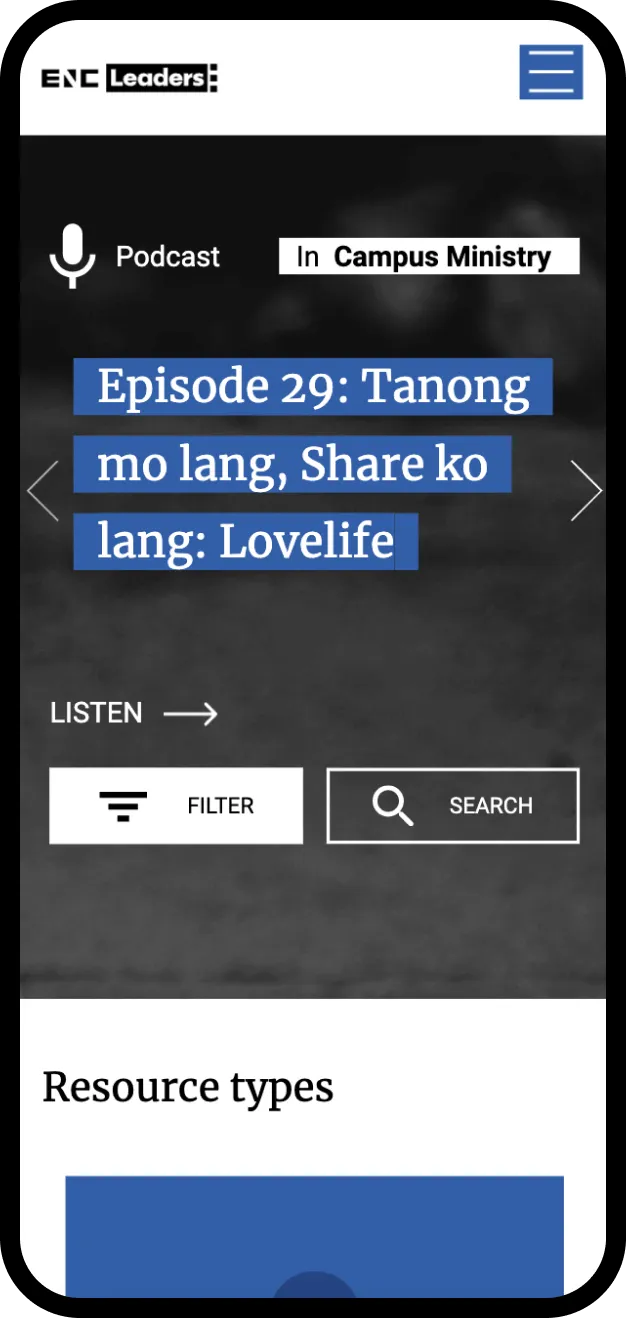
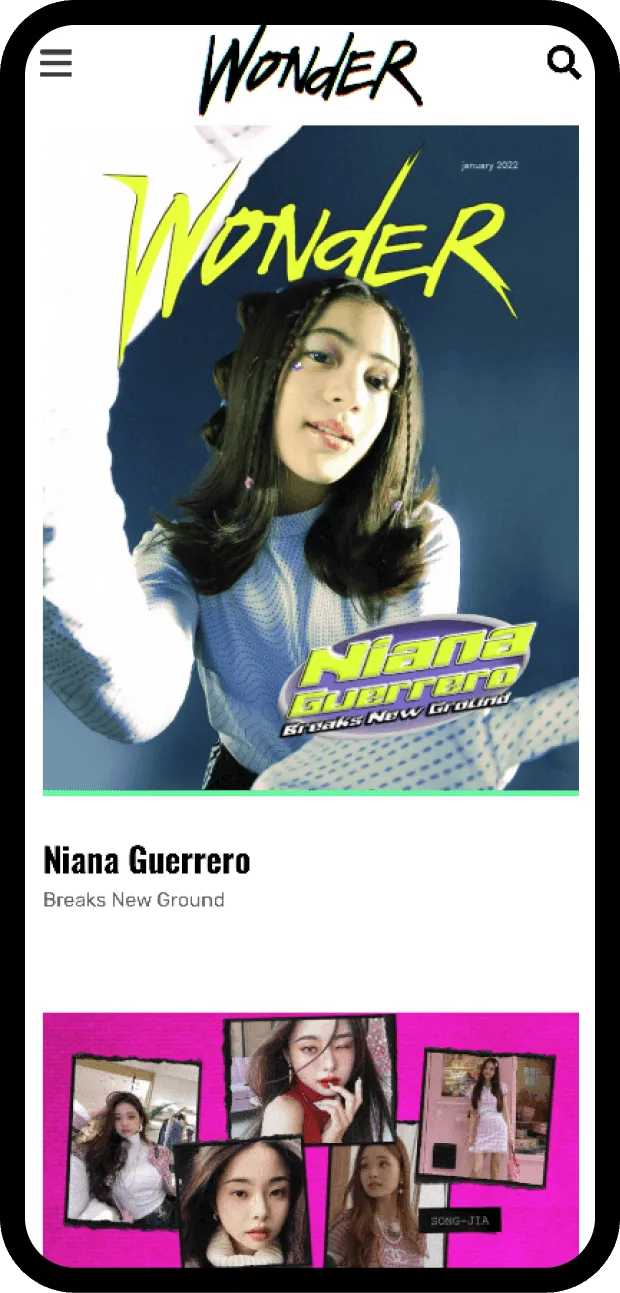
Web design trends evolve quickly. If your site features design elements that were popular several years ago — like heavy gradients, tiny text, cluttered layouts, or stock photos of people shaking hands — it’s sending the wrong message to visitors. An outdated design signals to potential customers that your business may not be keeping up with the times, even if that’s not true.
The fix isn’t just cosmetic. A modern redesign should incorporate current design principles like generous white space, clean typography, professional photography, and a visual hierarchy that guides visitors through your content naturally.
2. It’s Not Mobile-Responsive
In the Philippines, over 70% of web traffic comes from mobile devices. If your website doesn’t display properly on smartphones and tablets — requiring pinching, zooming, and horizontal scrolling — you’re providing a frustrating experience for the majority of your visitors. Google also uses mobile-friendliness as a ranking factor, so a non-responsive site hurts your search visibility too.
Mobile-first design isn’t optional anymore. Your redesigned site should be built with mobile as the primary experience, then scaled up for larger screens.
3. Slow Page Load Times
Speed is one of the most critical factors in website performance. Research consistently shows that 53% of mobile users abandon sites that take longer than 3 seconds to load. Every additional second of load time reduces conversions by roughly 7%.
You can test your site’s speed for free using Google PageSpeed Insights. If your scores are below 50 on mobile, your site is likely losing visitors to speed alone. Common culprits include unoptimized images, excessive plugins, outdated code, and poor hosting.
4. High Bounce Rates
A bounce rate above 60% means most visitors are leaving your site after viewing just one page. While some bounce is normal, consistently high rates suggest that visitors aren’t finding what they expect when they land on your site. This could be caused by misleading search snippets, unclear messaging, slow load times, or a design that doesn’t inspire confidence.
Check your Google Analytics to see which pages have the highest bounce rates. These are your priority pages for the redesign — they’re the ones hemorrhaging potential customers.
5. Your Website Doesn’t Reflect Your Current Brand
Businesses evolve. If your company has updated its logo, changed its messaging, expanded its services, or shifted its target market since the website was last built, there’s a disconnect between who you are now and what your website communicates. This inconsistency confuses visitors and undermines trust.
Your website should be a living reflection of your current brand identity, values, and offerings — not a time capsule of where you were three years ago.
6. Poor Search Engine Rankings
If your website isn’t appearing on the first page of Google for your key services and location, you’re invisible to potential customers who are actively searching for what you offer. Poor rankings are often caused by outdated SEO practices, thin content, missing metadata, slow performance, and poor mobile experience — all things that a strategic redesign addresses.
A modern redesign should include comprehensive on-page SEO from day one: optimized titles and descriptions, structured data markup, proper heading hierarchy, image alt text, and a content strategy that targets your most valuable keywords.
7. Low Conversion Rates
Traffic without conversions is wasted traffic. If your website gets visitors but they’re not filling out contact forms, making inquiries, or taking whatever action you want them to take, the problem is usually in the user experience. Common conversion killers include unclear calls-to-action, forms that are too long or hard to find, confusing navigation, lack of trust signals, and weak or generic messaging.
A conversion-focused redesign addresses each of these by creating clear pathways from landing to action, with strategic CTAs, simplified forms, and persuasive content at every step.
8. Difficult to Update Content
If making a simple text change on your website requires calling your developer, your CMS is working against you. A modern website should empower your team to make content updates easily — publishing blog posts, updating team bios, adding new services, or swapping images — without technical assistance for every change.
Modern platforms like Webflow and WordPress installations make content management intuitive, even for non-technical users. If your current setup makes you dread updates, it’s time for a platform upgrade.
9. Security Vulnerabilities
An unsecured website puts both your business and your customers at risk. Signs of security issues include missing SSL certificate (no padlock icon in the browser), outdated CMS version or plugins with known vulnerabilities, browser warnings when visitors try to access your site, and spam or malicious content that’s been injected into your pages.
Beyond the immediate security risks, Google actively penalizes insecure sites in search rankings. A redesign on a modern, secure platform with automatic updates eliminates most of these vulnerabilities.
10. Your Competitors’ Websites Are Better
Sometimes the most compelling sign is the simplest: if your competitors have noticeably better websites than you do, they’re making a stronger first impression on the customers you’re both trying to reach. Take an honest look at the top three to five competitors in your space. How does your site compare in design quality, speed, content, and user experience?
If the gap is significant, your website is actively pushing potential customers toward your competitors. A strategic redesign closes that gap and can even give you the advantage.
What to Do If You See These Signs
If three or more of these signs apply to your website, a redesign should be a priority. The good news is that a modern, well-planned redesign addresses all of these issues simultaneously. The key is approaching it strategically — starting with clear goals, backed by data from your current site’s performance, and executed by a team that understands both design and business results.
Don’t think of a redesign as a cost. Think of it as eliminating the hidden costs your current website is already inflicting. See how one business increased leads by 40% after a redesign on your business through lost leads, poor brand perception, and missed search visibility.
Ready to Evaluate Your Website?
Dthree Digital offers complimentary website audits for Philippine businesses. We’ll assess your current site across all of these criteria and provide honest recommendations. Get in touch to schedule your free audit, or learn more about our consulting services.
.webp)